How to Select a Stainless Steel Semi-Electric Stacker for Round Loads: CTD1000SR Application Guide
2026-08-07
A practical selection guide for buyers comparing stainless steel semi-electric stackers for round loads, using the Sinolift CTD1000SR as the standard product foundation.
When a warehouse or production line handles rolls, reels, drums or other cylindrical loads, the first purchasing mistake is often choosing equipment by model name alone. A pallet stacker may lift, but it does not automatically provide the right grip, surface protection or orientation control for a round load. The machine must be specified around the material interface.
The Sinolift CTD1000SR is a useful reference platform for this decision. Sinolift describes it as a stainless steel semi-electric clamp roll lifter with a round clamp, electric hydraulic lifting, 360-degree rotation and three functions in one: transport, stacking and rotating. The project materials supplied for this case show a non-standard stainless steel shipment based on that standard product foundation.
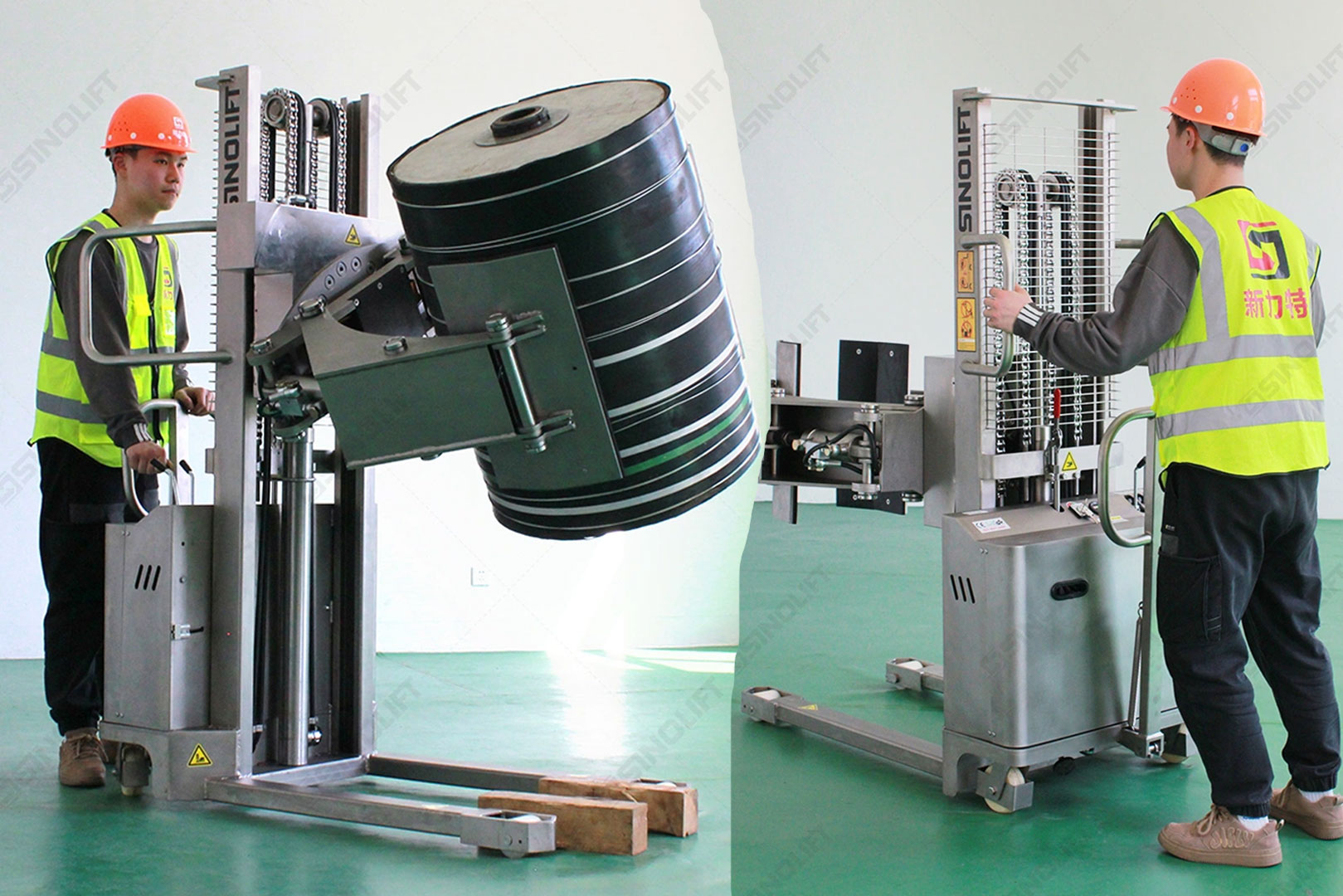
The practical question for a buyer is not whether the standard platform looks suitable in a photograph. It is whether the complete configuration matches the load diameter, weight, working height, route, cleaning conditions and operating rhythm. This guide lays out that decision in a sequence that can be used when preparing an RFQ or reviewing a custom quotation.
Step 1: Define the cylindrical load
Record the maximum and minimum load weight, outside diameter, width, core or contact geometry, center of gravity and surface sensitivity. If more than one roll or drum is handled, provide the full range. A clamp that works for one diameter may not be appropriate for another without a different opening range or contact arrangement.
Sinolift's published CTD1000SR reference information lists a standard maximum capacity of 500 kg and a drum diameter range of 400-1,000 mm. It also lists a clamp opening range of 380-1,100 mm. These are standard-product reference values, not automatic approval for the non-standard shipment shown in the supplied photos. The quotation should confirm the actual load range for the order.
The material surface is equally important. Paper, film, foil, textile rolls, chemical drums and other cylindrical goods can respond differently to clamp pressure. The buyer should state whether marking, crushing, slipping or contamination is unacceptable and whether the contact material needs a particular protective treatment.
Step 2: Decide whether stainless steel is a process requirement
Stainless steel should be selected for a reason connected to the work environment. The CTD1000SR is described with 304 stainless steel construction, which is relevant to wet, clean and corrosion-sensitive areas. It can be a stronger starting point than a painted carbon-steel frame where equipment is exposed to moisture, cleaning or hygiene-focused operations.
However, a stainless body does not automatically mean that every component is suitable for high-pressure washdown, food contact or pharmaceutical compliance. Buyers should review weld finishing, exposed edges, wheels, hydraulic components, electrical enclosures, fasteners, contact pads and cleaning access. The cleaning chemical, frequency and method should be specified before the design is finalized.
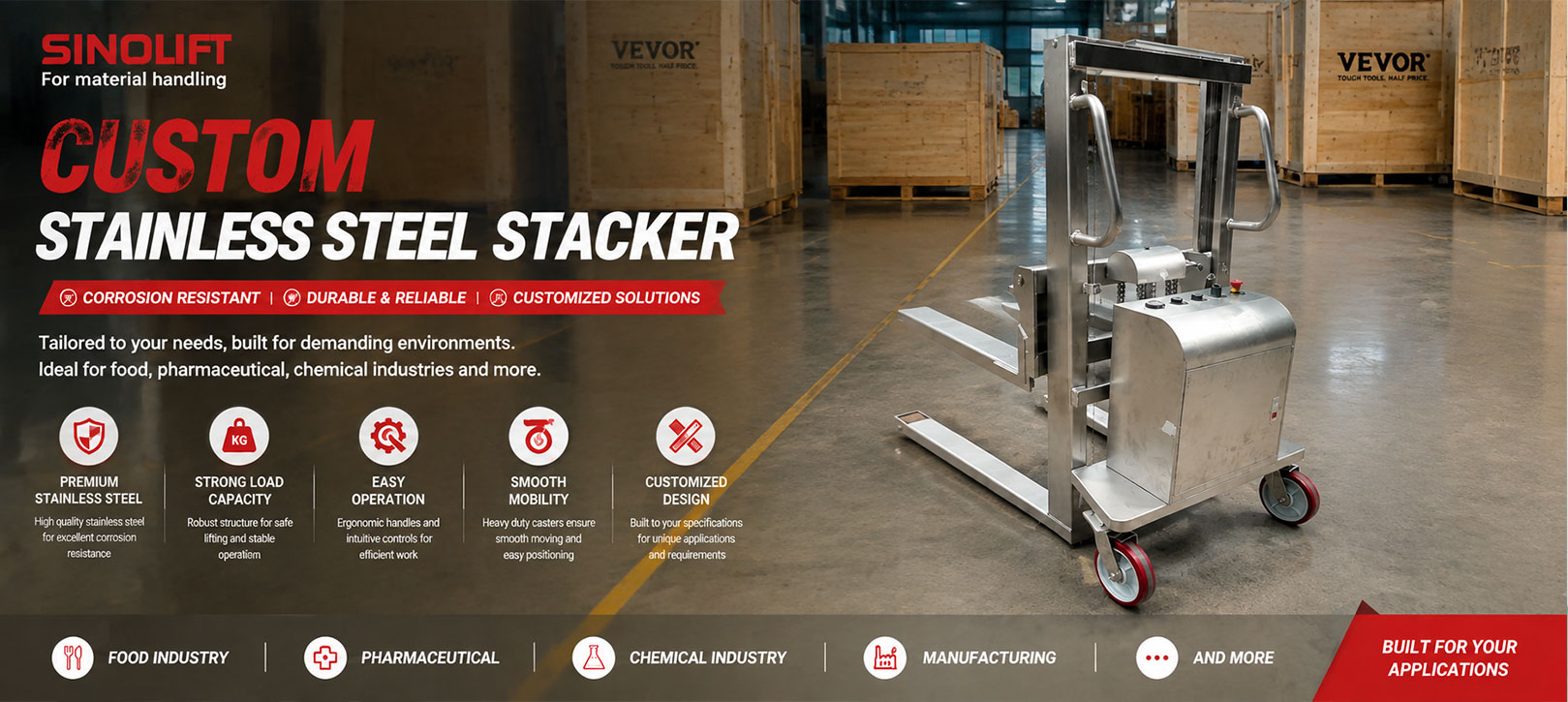
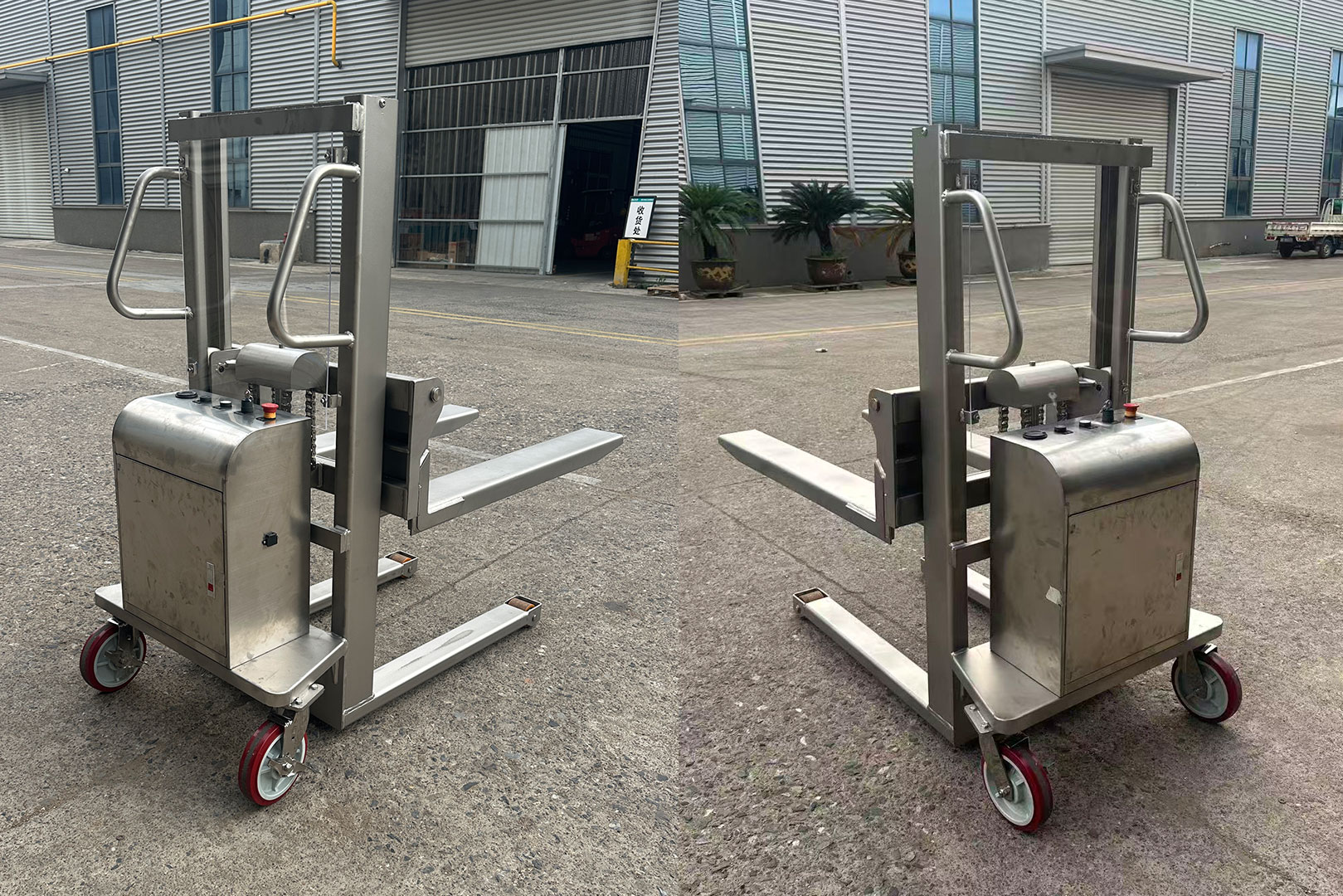
The supplied shipment photographs show a stainless steel frame and body, with a compact mast and front load-supporting structure. They establish the visible material and configuration context. They do not establish a complete hygiene certification or a specific washdown rating, so those claims require project documentation.

Step 3: Map the movement sequence
A round-load lifter can perform several different jobs. It may collect a roll from storage, transfer it to a machine, rotate it for alignment, stack it at a defined level or return an empty shaft. These tasks may use the same base platform but place different demands on the clamp, lift, rotation and visibility.
Write the movement sequence as actions:
1. Approach the load.
2. Align the clamp with the cylindrical surface.
3. Engage the load with the approved pressure and contact position.
4. Raise the load to the transfer height.
5. Travel to the next station.
6. Rotate or orient the load if required.
7. Release the load and withdraw safely.
2. Align the clamp with the cylindrical surface.
3. Engage the load with the approved pressure and contact position.
4. Raise the load to the transfer height.
5. Travel to the next station.
6. Rotate or orient the load if required.
7. Release the load and withdraw safely.
This sequence helps the supplier identify whether the customer needs transport only, transport plus lifting, or a full lift-and-rotate workflow. It also makes acceptance testing more specific. Instead of asking whether the machine 閳ユ辅orks,閳?the buyer can test each step with the intended load.
Step 4: Check the route and machine interface
The machine must fit both the route and the destination equipment. Measure the narrowest aisle, door, turning point, floor transition and loading position. Include the front attachment and the load in the clearance calculation. The body may fit through a doorway while the extended clamp or roll does not.
At the destination, record the machine loading height, approach direction, required insertion depth and available space for the operator. If the roll must be placed into a production machine, the last 500 mm of movement may be more important than the long travel route. Alignment, visibility and release control become part of the equipment specification.
The supplied photos show a compact, pedestrian-operated format with a narrow stainless body and front load-supporting members. They are useful for discussing layout, but they are not a dimensional drawing. The buyer should request the approved overall dimensions and attachment envelope before confirming site fit.
Step 5: Understand the standard product foundation
The CTD1000SR standard product information describes a semi-electric platform with electric traction, hydraulic lifting assistance, a reinforced hydraulic cylinder, a round clamp, 360-degree rotation and adjustable lift and lowering speed. Published reference data includes a 1.6 kW traction motor, 12 V/93 Ah battery, 1,300 mm maximum lifting height and 350 kg standard machine weight.
These values help a buyer understand the base product category and compare it with fully manual, fully electric or forklift-based alternatives. They should remain clearly labeled as standard CTD1000SR values. If the shipment includes altered forks, body dimensions, clamp geometry, controls or battery configuration, the custom version may differ.
That distinction protects both the buyer and the supplier. The buyer knows which points must be confirmed in the quotation, while the supplier can explain what is inherited from the standard platform and what has been redesigned for the application.
Step 6: Compare operating modes
Semi-electric operation can suit facilities that need powered assistance but do not require a full-size forklift. Electric movement or lifting can reduce physical effort during repeated short-distance transfers, while the pedestrian format keeps the operator close to the load and the machine interface.
The right choice depends on frequency, distance, load variation and infrastructure. A high-volume multi-shift line may require a different battery and charging strategy from a light-duty workshop. A cleanroom may need different protection from a standard warehouse. An operation with frequent orientation changes should test the rotation control with the actual load rather than assuming that a nominal 360-degree capability resolves every alignment problem.
Step 7: Create an acceptance plan
For a customized stainless steel stacker, acceptance should include more than a visual inspection. A practical plan should cover:
1. Load engagement with the smallest and largest approved load.
2. Clamp pressure and contact protection.
3. Lifting, holding and lowering at the required height.
4. Travel through the actual route and floor transitions.
5. Rotation or orientation through the required angle.
6. Release at the production or storage interface.
7. Cleaning access and inspection of stainless welds and edges.
8. Battery, charging, controls, emergency stopping and maintenance access.
2. Clamp pressure and contact protection.
3. Lifting, holding and lowering at the required height.
4. Travel through the actual route and floor transitions.
5. Rotation or orientation through the required angle.
6. Release at the production or storage interface.
7. Cleaning access and inspection of stainless welds and edges.
8. Battery, charging, controls, emergency stopping and maintenance access.
The supplied shipment video and photographs can support the visual part of this record. They do not replace load testing or site commissioning, and no customer performance result is claimed in this guide.
Where this platform may fit
The standard CTD1000SR information identifies warehouse storage, dock handling, supermarket stocking and workshop loading as application categories. Its stainless construction also makes it a candidate for evaluation in food processing, pharmaceutical production, chemical packaging and clean storage, provided the complete environmental and compliance requirements are confirmed.
The supplied shipment materials do not identify the final customer or industry. The safe conclusion is that this is a non-standard stainless steel stacker based on a round-load handling platform. The actual application should be added to published content only after confirmation.
Final buying decision
Choose the CTD1000SR platform when the application needs controlled handling of round materials, a stainless steel equipment foundation and semi-electric assistance in a compact pedestrian format. Choose a custom version only after the load interface, route, cleaning conditions and acceptance sequence have been documented.
The strongest specification is not the longest list of features. It is a clear match between the load and the machine: the right clamp, the right contact surface, the right height, the right movement and the right environment. That is the basis for a reliable stainless steel material handling solution.
Frequently asked questions
What industries can consider a stainless steel clamp roll lifter?
Food processing, pharmaceutical production, chemical packaging, clean storage and other wet or corrosion-sensitive operations may consider one, subject to the full environmental and compliance specification.
What is the standard CTD1000SR capacity?
Sinolift's official standard-product information lists 500 kg maximum capacity. Confirm the actual capacity of any customized unit in the final quotation.
Does the CTD1000SR rotate the load?
The standard product information describes 360-degree rotation. The actual rotation function, direction and operating method should be verified for the ordered configuration.
What documents should be requested before purchase?
Request the approved drawing, load and diameter range, clamp opening, lift height, route envelope, power configuration, cleaning requirements, safety information and acceptance procedure.
Contact Sinolift for a selection review
Send the load drawing, weight range, diameter, width, working height, route measurements, cleaning method and required rotation movement. Sinolift can then separate the standard CTD1000SR features from the custom changes needed for the application.
Email: market@sinolift.com
WhatsApp:+8613817178390
WhatsApp:+8613817178390
How to Choose a Compact Counterbalance Stacker with a Hook Attachment
How SINOLIFT Customized a Semi-Electric Air Shaft Roll Tilter for Safer Roll Handling
Related Article
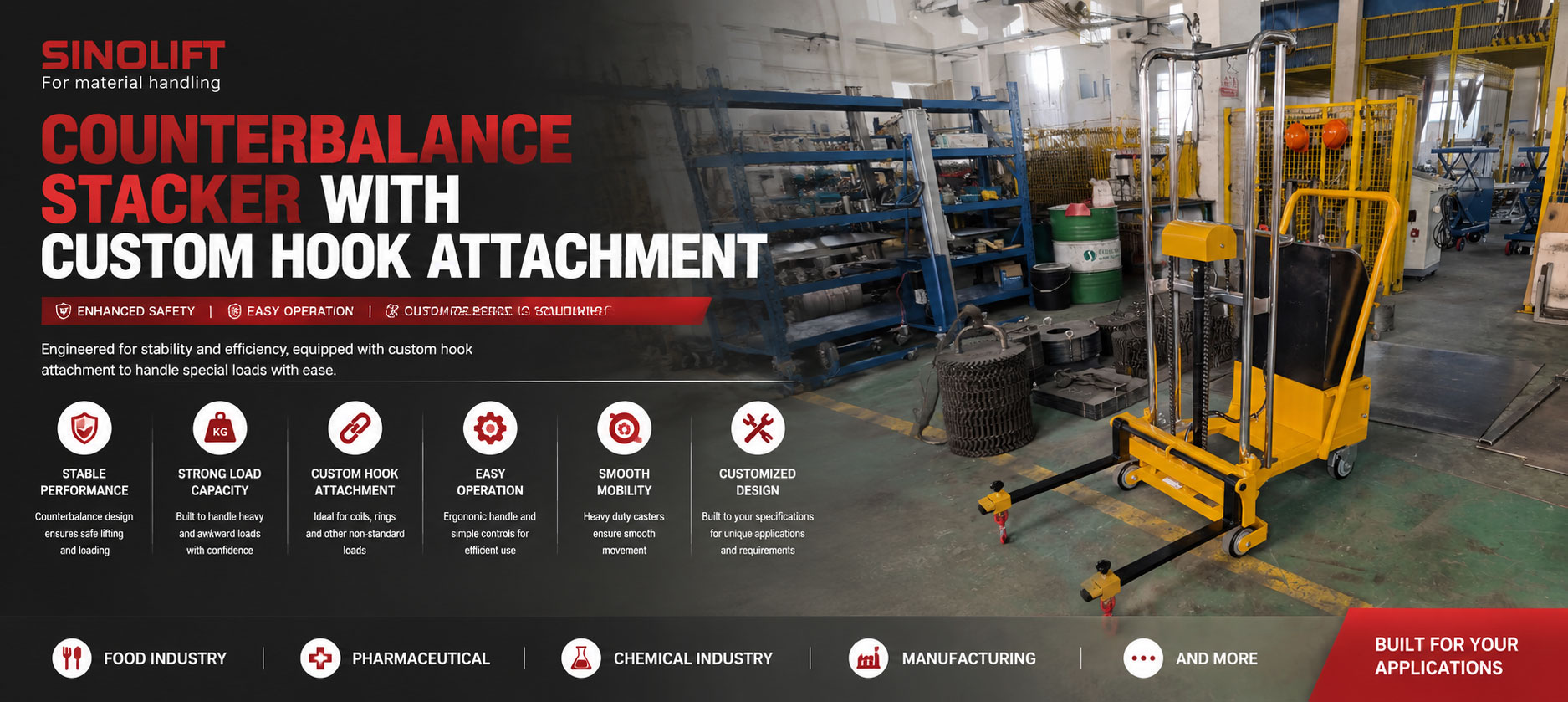
A practical buyer guide to selecting an EZ2518F-based semi-electric counterbalance stacker with a custom hook, including load, reach, route and acceptance checks.
How to Choose a Compact Counterbalance Stacker with a Hook Attachment