Manual vs. Electric High Lift Pallet Jacks: Which One is Right for You?
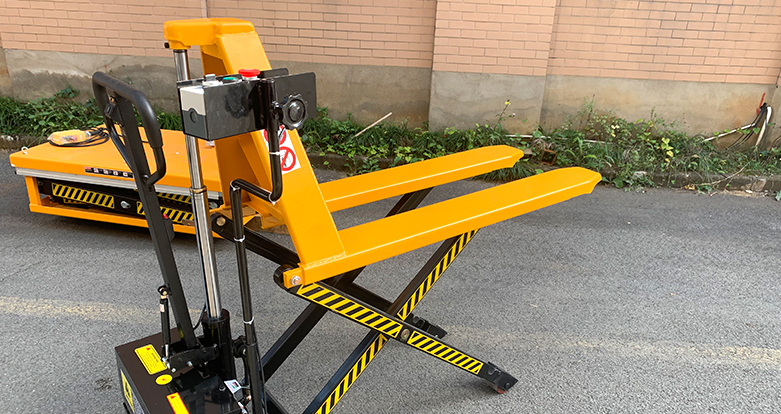
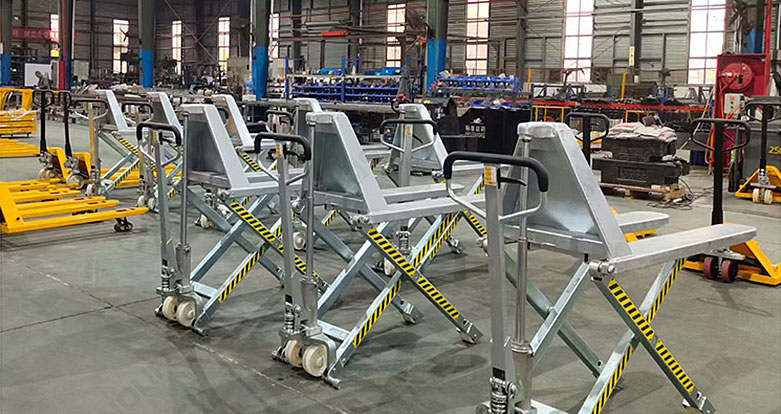
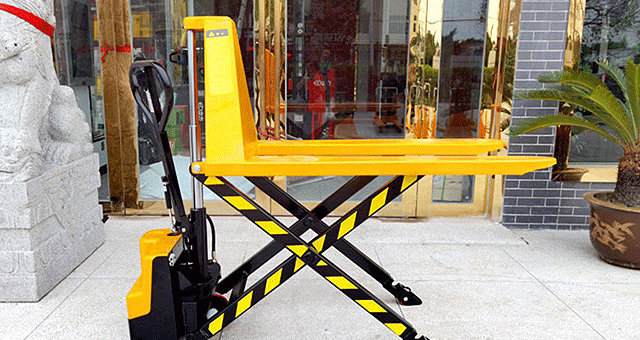
If you're in the market for a high lift pallet jack, understanding the key differences between manual and electric models is crucial before making a purchase. Each type has its own advantages and limitations, and the price gap between them can be significant. To ensure you select the best option for your specific needs, it's important to evaluate factors such as workspace size, application requirements, and budget.
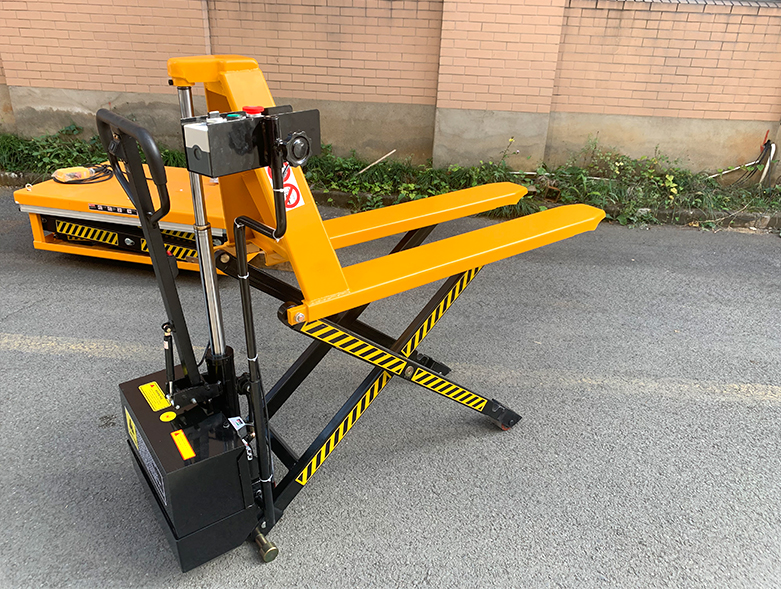
Key Considerations
Before diving into the details of manual vs. electric high lift pallet jacks, consider these three primary factors:
1. Facility Size
- Electric pallet jacks are ideal for larger warehouses where manual transportation over long distances can be physically demanding for workers.
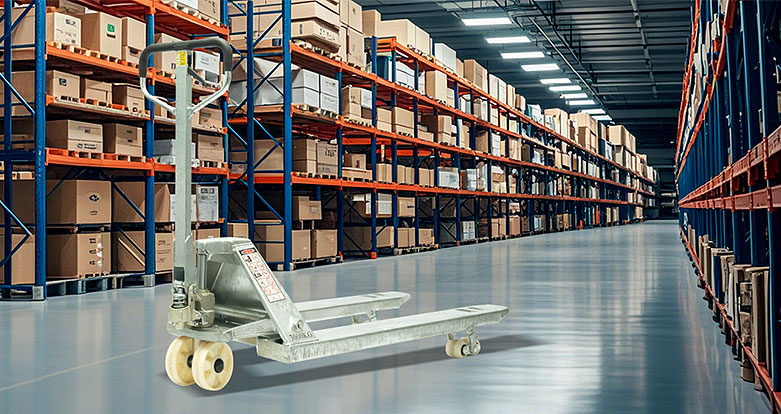
- Manual pallet jacks are better suited for smaller spaces due to their maneuverability in tight areas.
2. Application Requirements
- Electric models are designed for lifting and moving larger stacks of pallets with ease.
- Manual models work best for handling smaller loads and shorter distances.
3. Budget Constraints
- Initial Cost: Electric models have a higher upfront cost, while manual models are more affordable.
- Maintenance Expenses: Electric jacks require more maintenance due to their complex components, whereas manual jacks have minimal upkeep costs.
- Efficiency & Productivity: Electric models save time by transporting goods faster, which can reduce long-term labor costs.
- Quantity Needed: If multiple jacks are required, manual models may be more cost-effective as you can purchase several for the price of one electric unit.
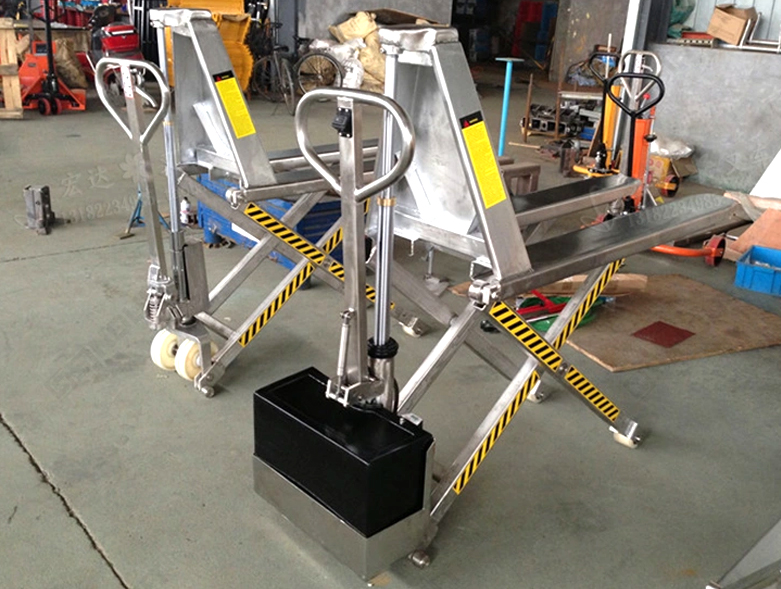
Manual Pallet Jacks: Pros & Cons
Pros
✅ Cost-Effective: Significantly cheaper than electric models, making them widely used in the industry.
✅ Durability: Built to withstand heavy use, with fewer parts that can break down.
✅ Low Maintenance: No electrical components mean fewer repair costs and easy part replacements.
✅ Customizable: Available in different fork sizes and materials for various working environments.
Cons
❌ Physical Effort Required: Workers must manually push and pull loads, making them harder to maneuver.
❌ Worker Fatigue & Injury Risk: Repeated manual lifting can strain employees, increasing the chance of workplace injuries.
❌ Weight Limitations: While rated for heavy loads, practical use is limited by the operator’s physical strength.
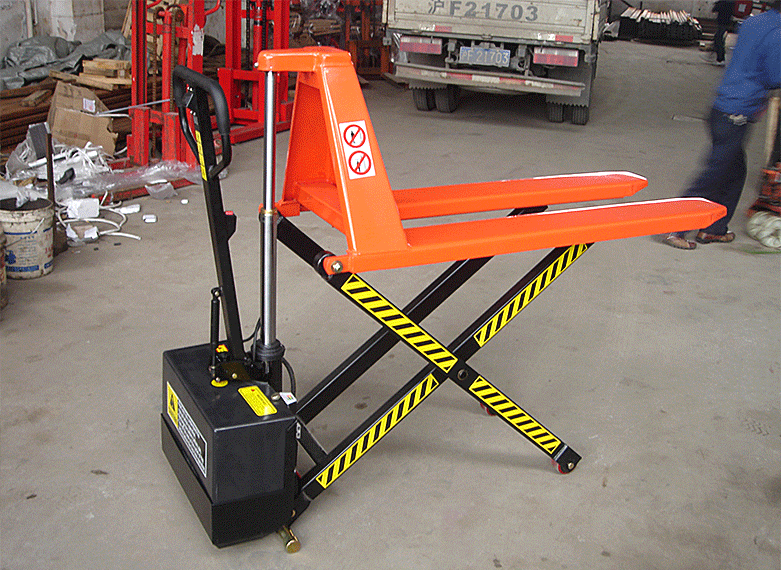
Electric Pallet Jacks: Pros & Cons
Pros
✅ Less Physical Strain: Powered lifting reduces worker fatigue and risk of injury.
✅ Increased Productivity: Faster operation speeds improve efficiency in busy warehouses.
✅ Handles Heavy Loads: Ideal for transporting large, heavy pallets with minimal effort.
Cons
❌ Higher Initial Cost: More expensive upfront, but can offer long-term savings in efficiency.
❌ Maintenance Costs: More complex systems require frequent servicing and repairs.
❌ Operator Training Required: Workers must undergo additional training before operating electric models.
Making the Right Choice
When choosing between a manual and electric high lift pallet jack, consider your facility’s layout, workload demands, and budget. If you’re still unsure which option is best, Sinolift can help match the right equipment
to your needs, ensuring maximum efficiency and productivity. Sinolift have various types of forklift trucks and we can provide customised service for various products. Please feel free to contact us if you are interested in our products,For further information visit us at: https://www.sinoliftcorp.com, email market@sinolift.com, whatsapp:+8613817178390,thank you.
A structured recommendation report on selecting between a pallet truck and a lift platform in material handling operations:
Pallet Jack Safety Guidelines: Best Practices for Safe and Efficient Operation