Sinolift Custom Electric Tug and Flatbed Trailer Transport Solution
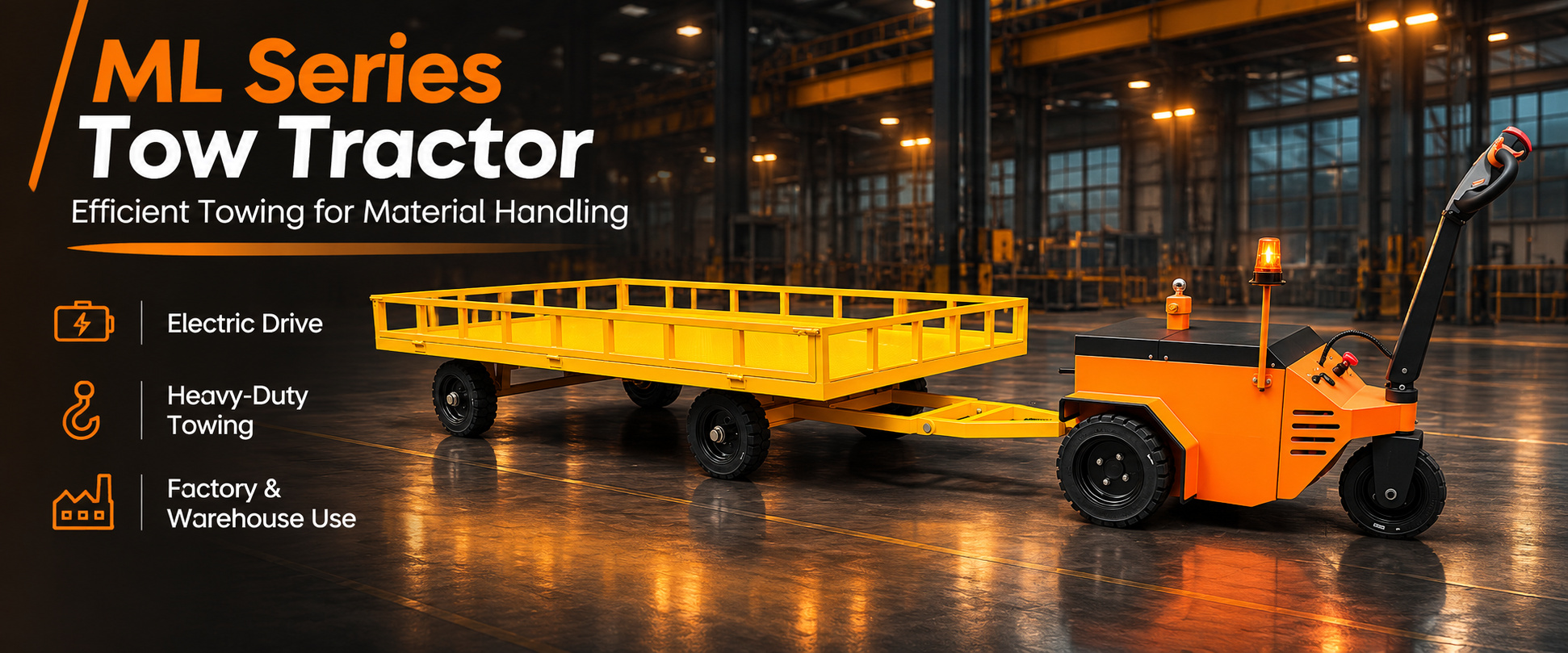
Customized Electric Tug and Flatbed Trailer Combination for Industrial Transport
A compact electric towing unit and purpose-built flatbed trailers can be combined into a dedicated material transport arrangement. This Sinolift custom equipment showcase uses real photographs and video to explain the platform configuration, towing connections and important buyer considerations.
A Material Transport System Built Around the Loading Platform
Industrial material transport often requires more than a towing vehicle. The equipment must also provide a suitable surface for the goods being moved, convenient loading access and a connection that matches the towing arrangement.
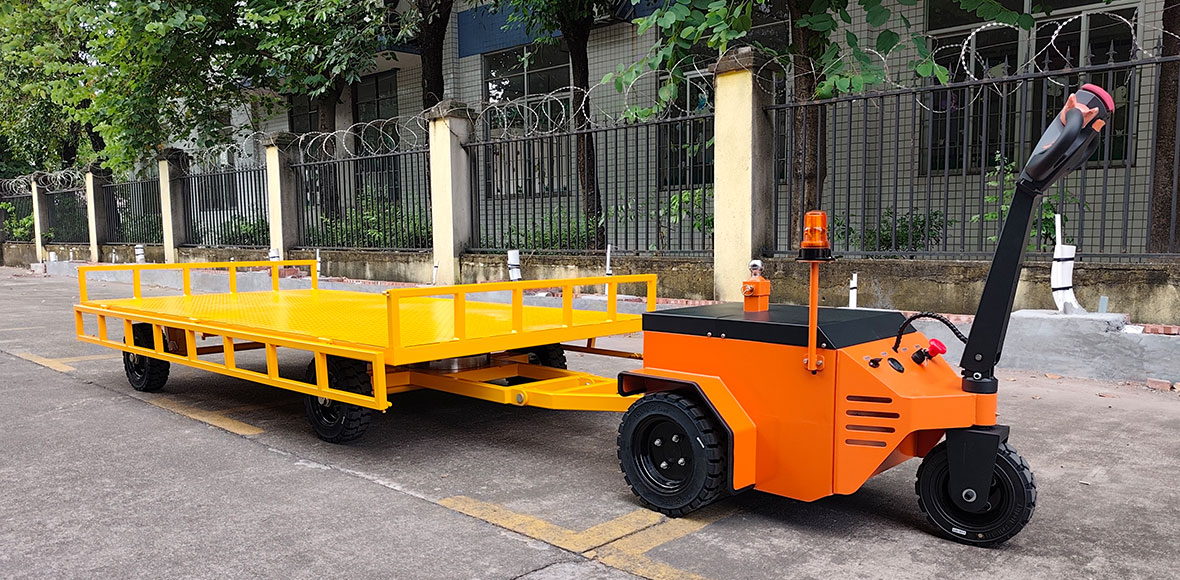
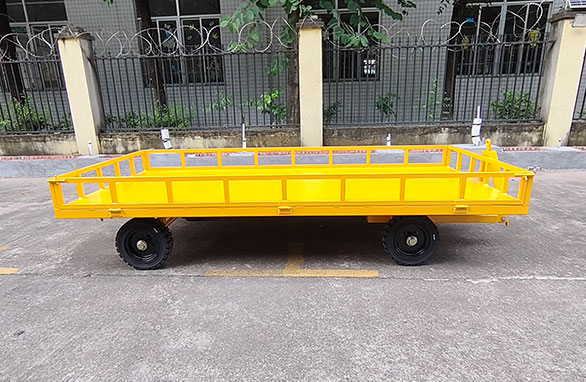
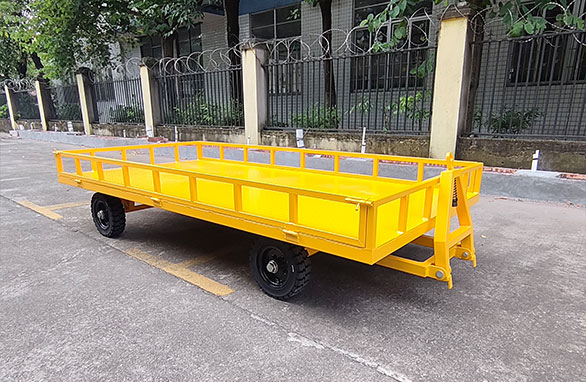
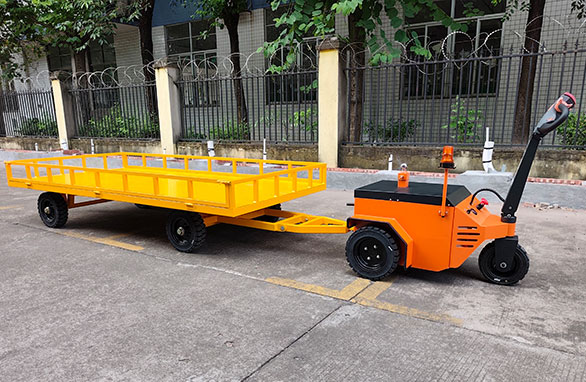
The Sinolift custom flatbed trailer photographs show an elongated yellow platform, steel perimeter rails, black wheel assemblies and a triangular drawbar.
The trailer is shown connected to an orange pedestrian-operated electric tug. A separate view shows two flatbed trailers connected in sequence.
This arrangement demonstrates an equipment configuration that can be assessed for industrial towing requirements where a standard small trolley may not provide the required loading geometry.
Buyer takeaway: The choice of electric tug and flatbed trailer should be based on the complete transport requirement: cargo shape, deck size, trailer quantity, route and coupling arrangement.
Full Views of the Customized Trailer
The original photographs below show the trailer from different directions. Both are displayed without cropping so the platform, wheels, end structures and drawbar remain visible.
Four Configuration Details Relevant to Industrial Buyers
Extended Flatbed Loading Area
The long, low deck provides a defined support surface for compatible loads. In a new project, the platform can be evaluated against cargo length, width, center of gravity and the loading method.
Perimeter Rail Framework
The yellow metal rails establish a visible boundary around the loading platform. Cargo securing requirements still need a separate review; a rail structure should not automatically be treated as a rated restraint system.
Wheel-Mounted Transport Chassis
The trailer has multiple black wheels beneath the deck. Their arrangement allows the trailer to be moved behind the towing unit. Actual wheel and chassis suitability depends on payload and floor conditions.
Tow Bar and Trailer Connection
The triangular drawbar provides the visible mechanical connection to the tug. A new project should define hitch height, coupling compatibility, articulation and connection retention.
Five Steps in a Proposed Flatbed Trailer Transport Workflow
The following is a practical planning framework for similar equipment, rather than a claim about an identified customer's completed transport operation.
Define the Cargo
Record the load's weight, overall dimensions, center of gravity and any special handling or support requirements.
Specify the Flatbed
Determine the deck size, loading height, platform access and whether additional fixtures are needed.
Choose Trailer Quantity
Decide whether one trailer is sufficient or the intended route calls for multiple connected carts.
Review the Route
Measure aisle width, doorway clearance, turning space, travel distance and gradients.
Match the Tow Tractor
Confirm the selected towing unit's suitability for the loaded train, route and stopping requirements.
Where Could a Similar Flatbed Trailer Arrangement Be Considered?
A purpose-built flatbed may be relevant where a standard transport cart does not match the dimensions, support requirements or movement process of the intended cargo.
Manufacturing Material Movement
Suitable components or containers may need transport between designated work areas. The trailer configuration should be determined by the actual cargo and route.
Warehouse-to-Workshop Transfers
A towing arrangement may be evaluated for material movement between nearby storage and production locations, provided surfaces and clearances are appropriate.
Long or Irregularly Shaped Loads
Cargo requiring a longer supporting footprint may benefit from a project-specific platform or dedicated supports. Overhang and load retention require assessment.
Connected In-Plant Trailer Routes
Multiple trailers may be considered when separate loading platforms are needed along a suitable transport route. Overall train length and turning must be checked.
These are possible applications of the equipment category. The supplied material does not identify the customer's final cargo or operating industry.
A Closer Look at the Towing Combination
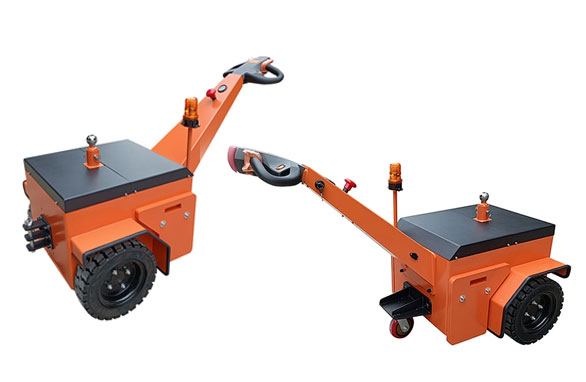
Choosing a Compatible Electric Tow Tractor
Sinolift supplies pedestrian-operated electric towing equipment for wheeled material-handling applications.
The ML450/600 Straight-Arm Electric Tow Tractor is a related product reference for buyers evaluating a towing arrangement.
The exact model shown in the custom trailer photographs has not been independently confirmed from a visible identification plate.
Before ordering, the supplier should confirm that the selected tractor, couplings and trailers are suitable for the proposed loaded operating conditions.
What Should Buyers Include in a Flatbed Trailer RFQ?
A useful quotation request should describe the entire transport task. This helps determine the platform configuration and a compatible towing arrangement.
| RFQ Item | Buyer Information |
|---|---|
| Cargo | Material, overall dimensions, weight and center of gravity |
| Flatbed platform | Deck length, width, loading height and required supports |
| Perimeter rails | Access requirements, preferred rail arrangement and cargo restraint |
| Trailer quantity | Number of connected flatbed carts |
| Coupling system | Hitch style, connection height and articulation |
| Travel route | Surface, distance, doorway width, turns and ramps |
| Power unit | Existing electric tug or required towing tractor configuration |
| Operation | Loading method, trips per shift, stopping and reversing |
| Supporting materials | Cargo photos, layout drawing and site images |
Custom Flatbed Trailer FAQs
Can a flatbed trailer be designed for unusual cargo?
A customized platform can be assessed against the cargo dimensions, weight, support points and loading process. The final design must meet the actual operating requirements.
Can more than one trailer be connected?
The supplied photographs show two trailers linked in series. A proposed multi-trailer arrangement requires confirmation of towing, coupling, turning and stopping suitability.
Are the visible side rails sufficient to secure cargo?
Not necessarily. Cargo restraint depends on the load and transport conditions. The visible rail structure is not evidence of a certified restraint rating.
What is the payload capacity of the yellow trailer?
The supplied photographs do not establish an approved payload rating. This must be confirmed from the specific trailer design and technical documentation.
A Practical Starting Point for Customized Industrial Transport
This Sinolift equipment arrangement illustrates a pedestrian electric tug combined with customized yellow flatbed trailers. The original photographs show the platform structure, connections and a two-trailer configuration.
For a similar purchasing requirement, the first step is to define what the trailer must carry and how the complete train will move through the site.
These details guide the design of the loading platform, running gear, couplings and appropriate towing unit.
How a Packaging Manufacturer Improved Roll Handling Safety and Productivity with the SINOLIFT CPD500 Electric Counterbalance Clamping Truck