Key considerations for choosing the right stationary lift table
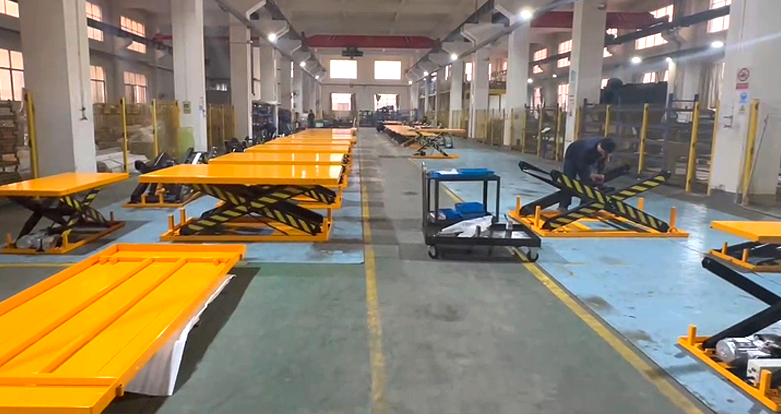
Sinolift offer a variety of stationary lift tables of different types. To help our customers easily select the most suitable lift table, we have outlined some key criteria to consider to ensure that the table meets your operational needs when
making a purchase,here's a guide to help you make the right decision:
1. Load Capacity
- Determine the Maximum Load: Ensure the lift table can support the weight of the materials or equipment you plan to lift. Common capacity ranges vary from 500 kg to several tons, depending on the model.
- Safety Factor: Always select a lift table with a slightly higher load capacity than the maximum weight you expect to lift to account for unexpected overloading.
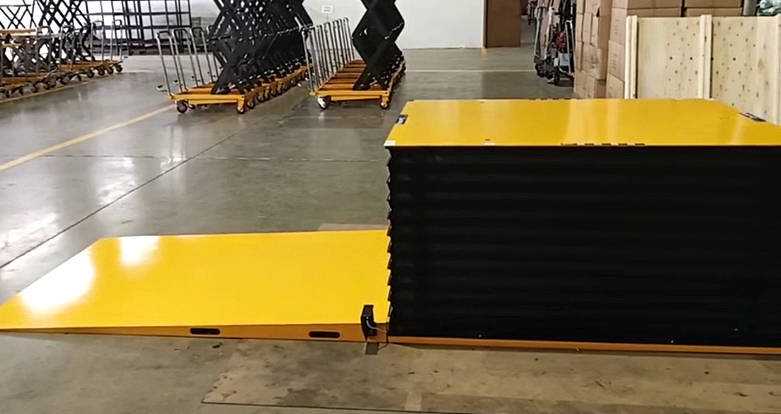
2. Lift Height
- Required Lift Range: Consider the height you need to lift the load. Lift tables are available with a variety of lift heights, ranging from a few feet to over 10 feet.
- Maximum Raised Height: Check the manufacturer’s specifications to ensure the lift table provides the required vertical reach for your application.
3. Platform Size
- Size of the Load: Choose a lift table with a platform size that can accommodate the load dimensions (length, width, and shape). Ensure that the platform is large enough to avoid tipping.
- Customization: Some manufacturers offer custom platform sizes if you have unique load requirements.
4. Drive type
- Manual Lift Tables: Operated by a hydraulic foot pump or hand pump. These are ideal for lighter loads and less frequent lifting.
- Electric Lift Tables: Powered by an electric motor, suitable for heavy loads and more frequent use. They offer higher precision and faster lifting speeds.
5. Lifting Mechanism
- Hydraulic System: Commonly used in lift tables because it provides smooth lifting and precise control. Choose a table with a durable hydraulic system for frequent use.
- Pneumatic or Mechanical: Pneumatic systems are less common but can be useful in specific applications. Mechanical lifts are generally more manual but can be cost-effective.
6. Stability & Safety Features
- Safety Controls: Look for features like overload protection, emergency stop buttons, and safety gates or rails. Some models come with automatic lowering functions or slow descent controls for added safety.
- Stabilizing Base: A wide and sturdy base ensures that the table remains stable under load. A table with a low center of gravity can help prevent tipping.
- Anti-Slip Surface: A textured or anti-slip surface helps keep the load in place during lifting and lowering.

7. Material and Durability
- Construction Material: Lift tables are typically made from steel, stainless steel, or aluminum. Stainless steel models are resistant to corrosion and are ideal for environments where moisture is present.
- Corrosion Resistance: If you’re using the lift table in harsh or wet environments, corrosion-resistant models with coatings (such as powder coating) are essential.
8. Power Supply
- Electric Power Supply: Ensure that the table is compatible with the voltage available in your facility (e.g., 110V, 220V, or 380V).
- Battery-Powered Models: For mobile units or areas without direct access to power, battery-powered lift tables might be the best choice.
9. Environment & Usage
- Indoor vs. Outdoor Use: Choose a model that is designed for your operating environment. Outdoor lift tables need to be rugged and weather-resistant.
- Frequency of Use: If you need to lift loads continuously or at high frequency, opt for a more durable, industrial-grade lift table with higher lifting speeds and capacity.
10. Compliance and Standards
- Industry Standards: Check whether the lift table complies with industry standards, such as ANSI, OSHA, or CE (for European markets), to ensure safety and reliability.
- Maintenance and Inspection: Look for models that are easy to maintain and service. Regular inspection and maintenance will ensure the longevity and safety of the lift table.
11. Customization
- If your application requires specific features (e.g., extended platform, special controls), some manufacturers offer customization options to fit unique needs.
12. Cost and Warranty
- Budget Considerations: While it’s important to invest in a high-quality lift table, ensure that it fits within your budget. Keep in mind that quality, reliability, and safety often correlate with cost.
- Warranty: Choose a model that comes with a good warranty (usually 1-3 years), which can provide peace of mind and protection against defects or failure.
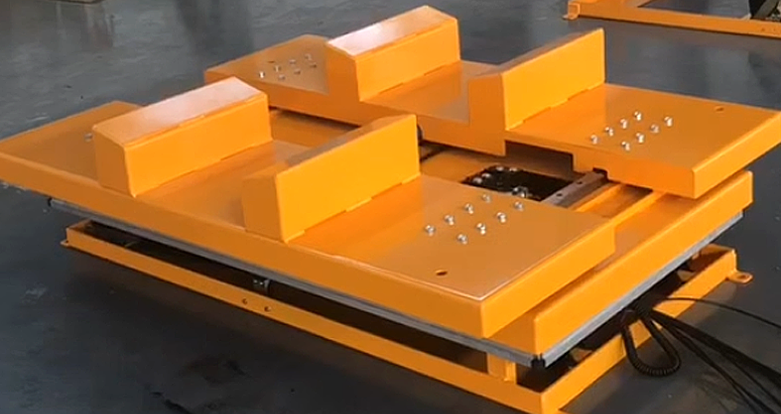
Sinolift offer customization services for stationary lift tables. If you have any specific customization requirements, please feel free to contact us if you are interested in our products,For further information visit us at://www.sinoliftcorp.com/stationary-lift-platform.html, email market@sinolift.com, whatsapp:+8613817178390,thank you.
Mobile vs.stationary lift tables: key differences and how to choose the right one
Introduction to heavy duty hydraulic motorcycle lift table
Related blog