How do you choose the right electric stacker to work efficiently?
Grace yang | 2024-10-30
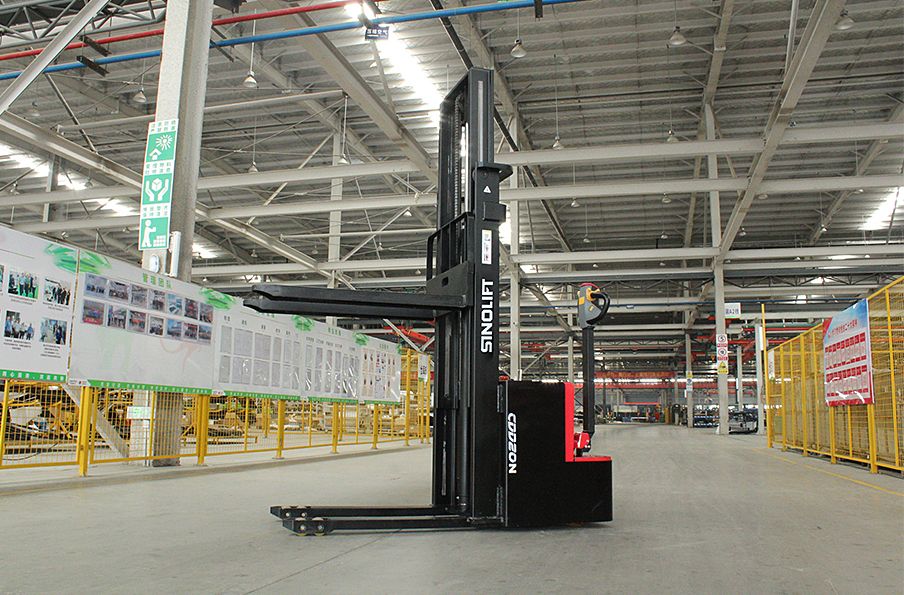
Electric stacker is a type of material handling equipment designed for lifting and stacking pallets or goods in warehouses, distribution centers, and manufacturing environments. choosing a suitable electric stacker involves considering several factors to ensure it meets your specific operational needs. Here’s a guide to help you select the right electric stacker:

1. Identify Your Application Needs
- Type of Goods: Consider the size, weight, and type of materials you will be handling (pallets, boxes, or specific products).
- Lifting Height: Determine the maximum height you need to reach for stacking or retrieval. Measure the height of your storage racks to ensure compatibility.
- Frequency of Use: Assess how often you will use the stacker, as heavy-duty models may be needed for frequent operations.
2. Consider Load Capacity
- Weight Limit: Check the maximum load capacity of the electric stacker. Choose a model that can safely handle your heaviest loads.
- Balance: Ensure that the stacker can maintain stability when lifting loads, especially if the weight is unevenly distributed.
3. Evaluate Size and Maneuverability
- Dimensions: Measure the aisle widths and storage spaces in your facility. Choose a stacker that can easily navigate through these areas.
- Turning Radius: Consider the turning radius if space is limited; a compact design can enhance maneuverability.
4. Power Source and Battery Life
- Battery Type: Decide between lead-acid and lithium-ion batteries. Lithium-ion batteries tend to have longer life and faster charging times.
- Runtime: Check the battery life to ensure it meets your operational needs. Look for models that allow for quick recharging.
5. Control and Ergonomics
- User Interface: Look for intuitive controls that operators can easily use, enhancing safety and efficiency.
- Ergonomic Design: Consider the comfort of the operator. Features like adjustable handles, cushioned grips, and visibility are essential for reducing fatigue.

6. Safety Features
- Braking System: Ensure the stacker has reliable braking systems to prevent accidents.
- Safety Guards: Look for features such as safety horns, alarms, and emergency stop buttons to enhance operator safety.
7. Maintenance and Support
- Serviceability: Choose models that are easy to maintain, with accessible components for repairs.
- Warranty and Support: Check for warranty coverage and the availability of parts and service from the manufacturer or dealer.
8. Budget Considerations
- Cost: Evaluate your budget for purchasing an electric stacker. Consider both initial costs and long-term operating costs (maintenance, battery replacement).
- Return on Investment (ROI): Analyze how the stacker will improve efficiency, reduce labor costs, and enhance productivity to determine its value to your operations.
9. Manufacturer Reputation
- Brand Reliability: Research the reputation of the manufacturer. Choose brands known for quality and reliability, along with good customer service.
- User Reviews: Look for user feedback and reviews to understand the performance and reliability of different models.

By considering these factors, you can select an electric stacker that best fits your operational requirements, ensuring improved efficiency, safety, and productivity in your material handling processes.Please feel free to contact us if you are interested in our products ,For further information visit us at: //www.sinoliftcorp.com, email market@sinolift.com, whatsapp:+8613817178390,thank you.
The versatility and efficiency of electric stackers in material handling
What do you know about electric trucks in material handling?
Related blog